

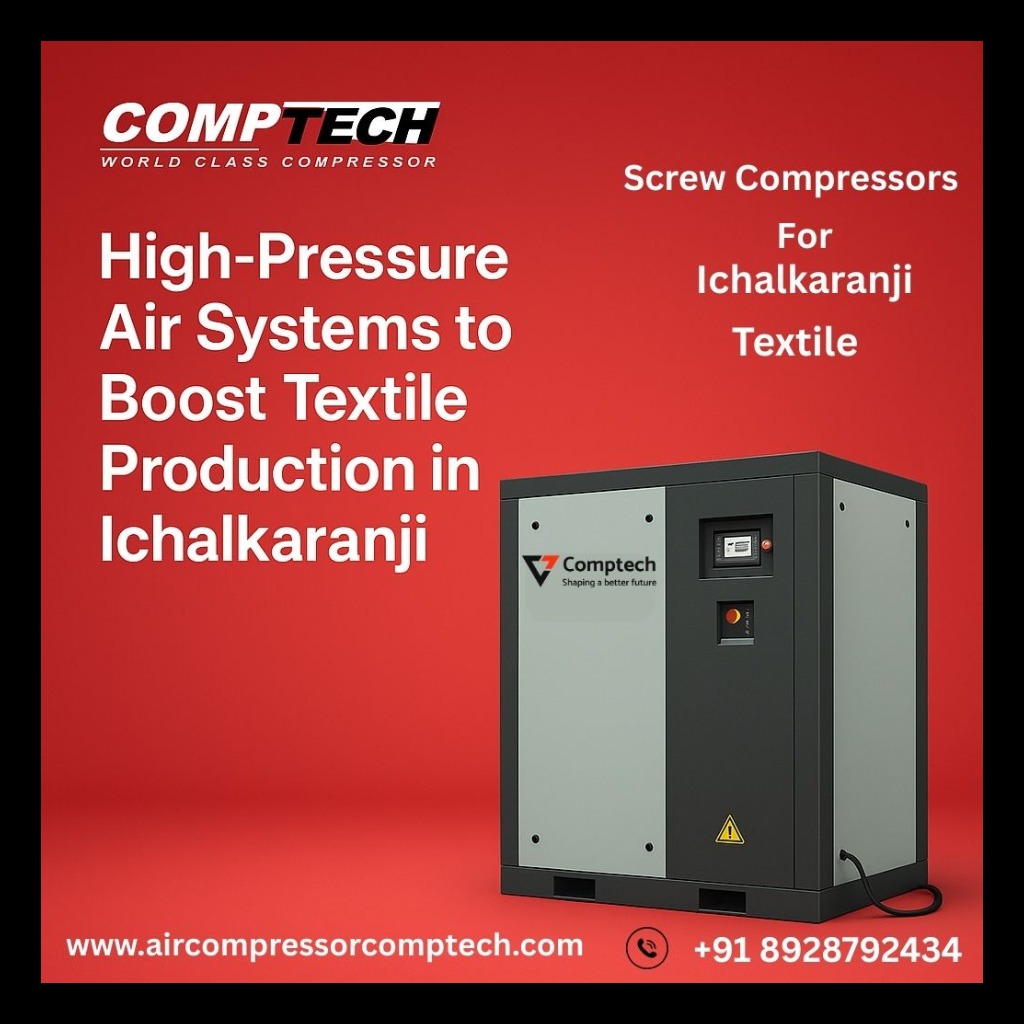
High-Pressure Air Systems to Boost Textile Production in Ichalkaranji
Ichalkaranji’s textile industry is one of India’s fastest-growing manufacturing clusters, known for power looms, spinning, fabric processing, and advanced knitting technologies. With mills running 14–18 hours daily, air compressors play a critical role in achieving high-speed, high-quality textile output. Without clean, controlled compressed air, modern textile machines simply cannot perform at peak efficiency.
Why Textile Mills in Ichalkaranji Depend on Air Compressors
Compressed air ensures precision fabric weaving, smooth pneumatic control, and uninterrupted automation. From small power loom units to large spinning clusters, proper air supply reduces downtime, maintains consistent quality, and supports large-scale production demands.
Advantages of Using Air Compressors in Textile Units
• Improves fabric quality with stable pneumatic tension.
• Supports auto-doffing, yarn handling, and air-jet operations.
• Prevents loom jerks and maintains machine rhythm.
• Reduces operator fatigue by powering pneumatic tools.
• Enhances overall production speed and efficiency.
Applications of Air Compressors Across Textile Processes
Ichalkaranji mills rely on compressors for air-jet weaving, ring spinning, cone winding, fabric dyeing, processing lines, pneumatic lifting, waste removal, and packaging operations.
Maintenance Tips Tailored to Ichalkaranji Conditions
Due to humidity, cotton lint, and long hours, mills must maintain their compressors with extra care:
1. Clean pre-filters and main filters frequently.
2. Drain moisture from receivers and dryers twice a day.
3. Check oil condition during high humidity seasons.
4. Maintain proper airflow in compressor rooms to avoid heat buildup.
5. Inspect electrical terminals regularly due to power fluctuations.
6. Ensure belts, couplings, and pulleys are aligned.
7. Monitor pressure drops in long air pipelines.
8. Replace dryer elements periodically for moisture-free air.
Safety Guidelines for Operators
Use correct pressure settings, avoid overheating by ensuring proper ventilation, check moisture traps, and ensure operators are trained to respond to alarms and emergency shutdowns.
Energy Efficiency Tips for Textile Units
Install VFD-based screw compressors, reduce leak points in distribution lines, use correct CFM capacity, adopt heat recovery systems, and maintain optimal load/unload cycles.
Recommended Compressor Types for Textile Mills
• Rotary Screw Compressors for continuous power loom operations
• High-CFM Reciprocating Compressors for heavy-duty pneumatic applications
• Oil-Free Compressors for dyeing and precise processing sections
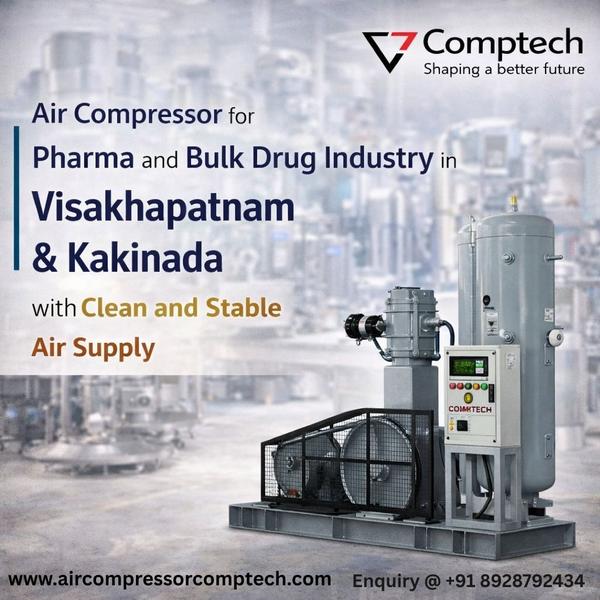
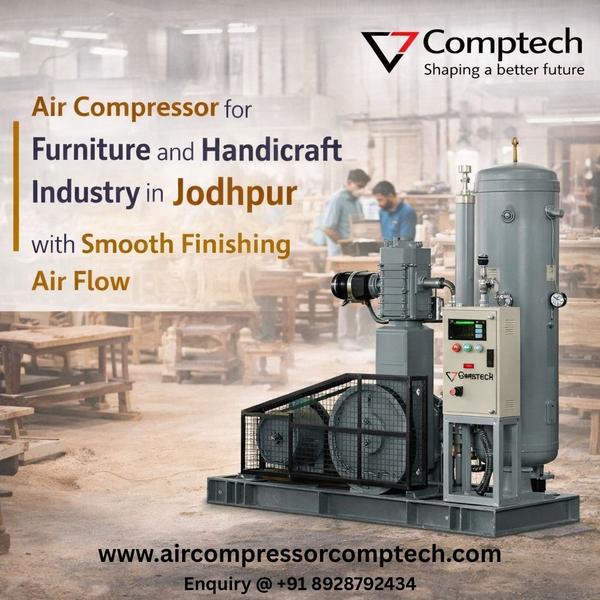
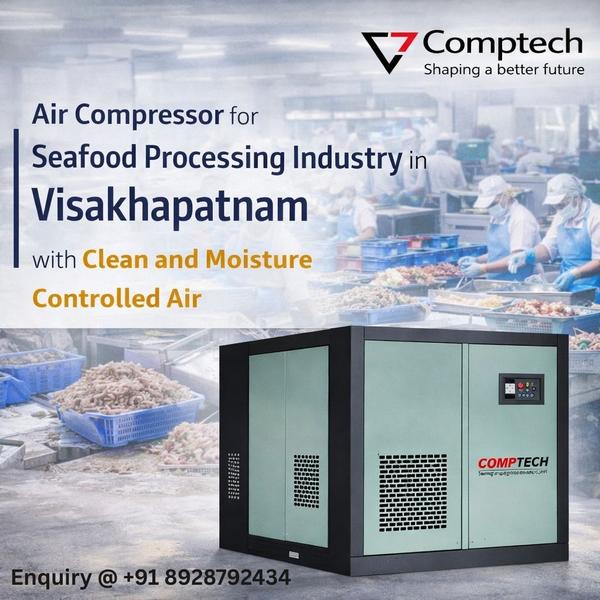
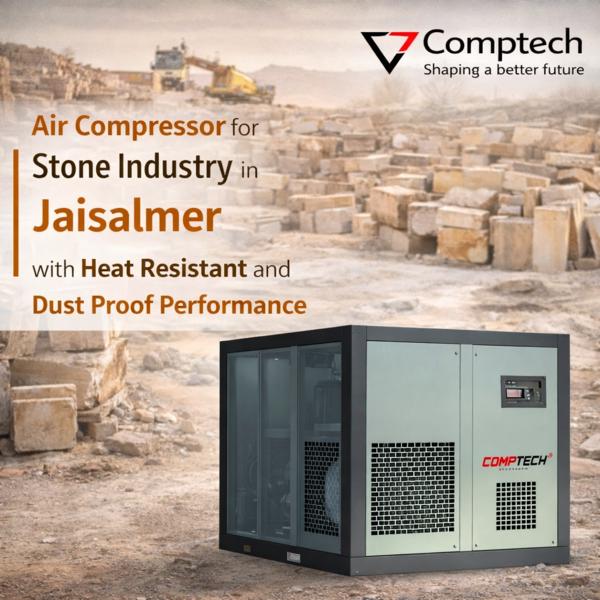
Comptech Air Compressor Supply in Ichalkaranji for Textile Mills
Best Air Compressor for Textile Mill in Khanjire Mala Ichalkaranji
Screw Air Compressor Supplier in Padmavati Nagar Ichalkaranji
High CFM Compressor for Power Loom Units in Yadavnagar
Textile Compressor Dealer in Janta Nagar Ichalkaranji
Industrial Air Solutions in Kagwade Mala
Compressor for Spinning Units in Ruikar Colony Ichalkaranji
Best Air Compressor for Looms in Nagoba Mandir Area
Air Compressor for Processing Units in Tambemala
Knitting Compressor Supplier in Joshi Nagar Ichalkaranji
Compressed Air Systems in Shahu Cooperative Industrial Estate
Energy-Efficient Compressor in Kabnoor Ichalkaranji
High-Pressure Compressors for Kurundwad Road Textile Belt
Choosing a reliable air compressor ensures consistent performance, reduced downtime, and higher-quality fabric output. Ichalkaranji textile manufacturers can significantly enhance productivity by adopting the right compressed air system tailored to their mill’s demand.